Complete Guide to Bacalar Lagoon Mexico
Everything you need to know about the Lagoon of Seven Colors, from formation to best viewing spots
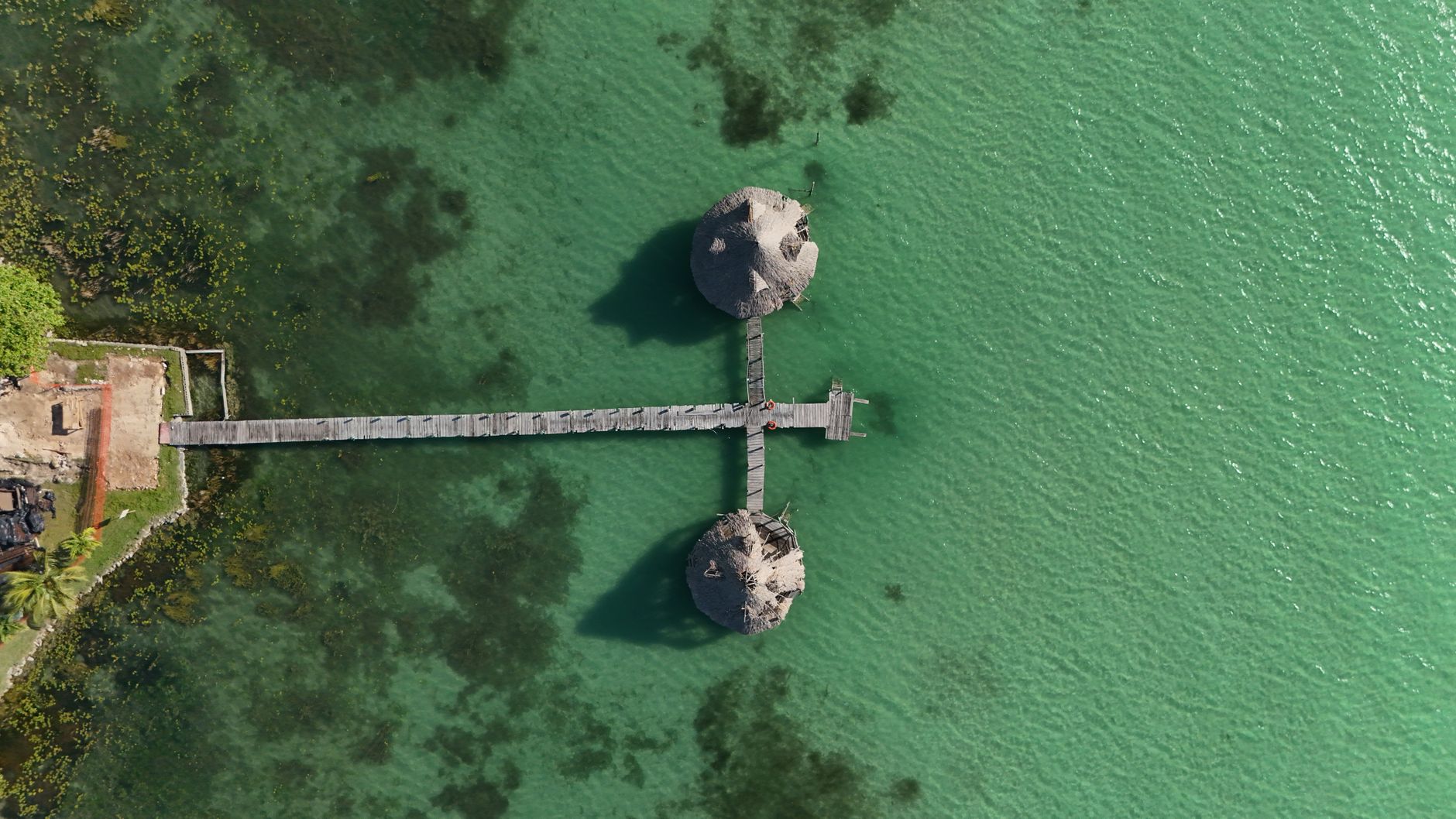
Bacalar Lagoon, known as the "Lagoon of Seven Colors," is one of Mexico's most spectacular natural wonders. This 42-kilometer-long freshwater lagoon in Quintana Roo displays an incredible spectrum of blues that change throughout the day, creating a mesmerizing natural phenomenon that attracts visitors from around the world.
Far from the crowded beaches of Cancún and Playa del Carmen, Bacalar offers a more intimate and authentic Mexican Caribbean experience. Here, pristine waters meet ancient Maya history, creating a destination that satisfies both adventure seekers and those looking for peaceful relaxation.
Understanding the Seven Colors
What Creates the Colors?
The lagoon's famous colors result from a combination of water depth, limestone bottom composition, sunlight angle, and unique mineral content. Each shade tells a story of the lagoon's geological complexity.
Turquoise
Shallow areas with white sand bottom
Light Blue
Medium depth with mixed sand and vegetation
Sapphire
Deeper sections with rich mineral content
Navy Blue
Deepest areas, particularly around cenotes
Azure
Unique mineral compositions creating distinct hues
Cobalt
Cenote Azul depths with incredible clarity
Teal
Areas with underwater vegetation and limestone
Essential Spots to Visit
Cenote Azul
The deepest part of the lagoon with the most intense blue colors
Activities:
Best Time:
Early morning or late afternoon
Los Rapidos
Crystal-clear shallow waters with gentle current, perfect for relaxation
Activities:
Best Time:
Mid-morning to early afternoon
Stromatolites
Ancient rock formations created by cyanobacteria, living fossils
Activities:
Best Time:
Clear weather for best visibility
Bird Island
Small island sanctuary for local and migratory bird species
Activities:
Best Time:
Early morning or late afternoon
Geological Wonder
How Bacalar Formed
Bacalar Lagoon is a tectonic lagoon formed by geological faulting rather than coastal processes. This freshwater system connects to underground cenotes and caverns through the Yucatán Peninsula's limestone bedrock, creating a unique hydrological system.
The lagoon's maximum depth reaches 90 meters at Cenote Azul, where underground freshwater springs emerge from deep cavern systems. This constant inflow of mineral-rich water contributes to the lagoon's incredible clarity and diverse color palette.
Geological Facts:
- • Length: 42 kilometers (26 miles)
- • Maximum width: 2 kilometers
- • Maximum depth: 90 meters (295 feet)
- • Water type: Freshwater
- • Formation: Tectonic faulting
- • Age: Millions of years
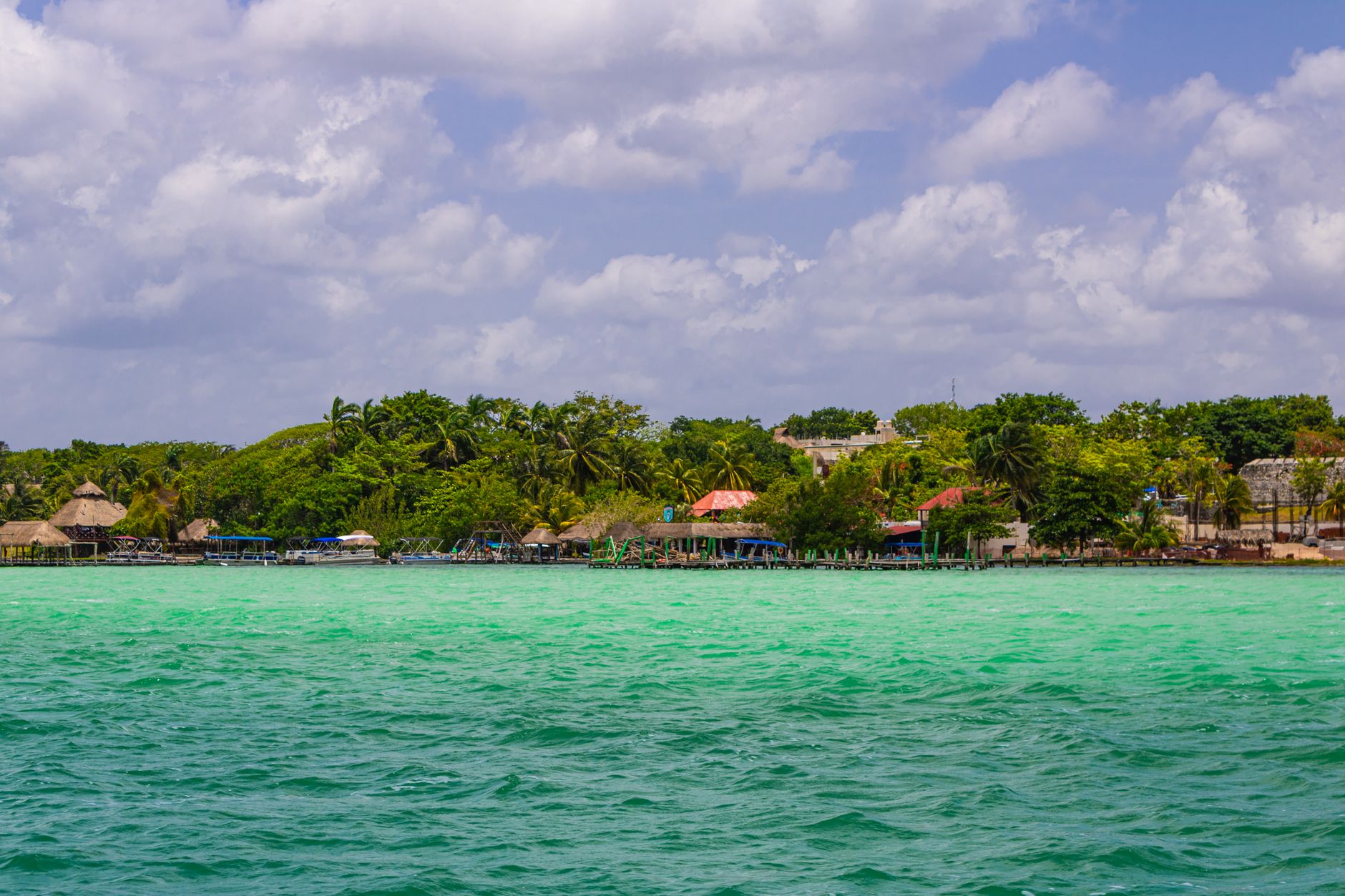
Living Fossils: Stromatolites
Bacalar is home to some of the world's largest living stromatolites - layered rock structures created by ancient cyanobacteria. These "living fossils" are among Earth's oldest life forms, dating back over 3.5 billion years.
The stromatolites in Bacalar are particularly significant because they're actively growing, providing scientists with insights into early life on Earth and the evolution of our planet's atmosphere.
Why They're Important:
- • Produced Earth's early oxygen
- • Show evolution of life
- • Indicate water quality
- • Rare living examples
- • UNESCO potential site
Activities & Experiences
Water Activities
- • Swimming in crystal-clear waters
- • Kayaking through different color zones
- • Stand-up paddleboarding
- • Snorkeling to observe stromatolites
- • Boat tours with local guides
- • Floating relaxation sessions
Photography
- • Sunrise/sunset color changes
- • Aerial drone photography (with permits)
- • Underwater photography
- • Long-exposure water shots
- • Wildlife and bird photography
- • Macro photography of stromatolites
Nature & Culture
- • Bird watching expeditions
- • Maya archaeological site visits
- • Fort San Felipe historical tour
- • Mangrove ecosystem exploration
- • Local community experiences
- • Traditional food tastings
Planning Your Visit
Best Time to Visit
December-April: Perfect weather, peak season prices
May-June: Hot but fewer crowds, shoulder season
July-October: Rainy season, lowest prices, tropical storms possible
November: Excellent weather returns, good value
Getting There
Fly to Cancún Airport (3.5 hours drive to Bacalar)
Rent a car for maximum flexibility and exploration
ADO bus service available from major cities
Chetumal Airport is closer but with limited international flights
Where to Stay
Lagoon-front eco-lodges for immersive experience
Town center for restaurants and local culture
Boutique hotels for luxury and comfort
Camping and hostels for budget travelers
Protecting Bacalar's Future
Environmental Challenges
- • Increasing tourism pressure
- • Water pollution from development
- • Stromatolite damage from boats
- • Invasive species introduction
- • Climate change effects
How You Can Help
- • Use reef-safe, biodegradable sunscreen
- • Don't touch or stand on stromatolites
- • Choose eco-certified accommodations
- • Support local conservation efforts
- • Follow designated swimming areas
- • Pack out all trash and waste
Your Bacalar Adventure Awaits
Bacalar Lagoon offers an unparalleled natural experience that combines stunning beauty, fascinating geology, and rich cultural history. Whether you're seeking adventure, relaxation, or natural wonder, the Lagoon of Seven Colors delivers an unforgettable Mexican Caribbean experience.