Bacalar Lake vs Lagoon: What's the Difference?
Understanding the unique characteristics of Bacalar's water system and geological formation that makes it both a lake and a lagoon.
Quick Answer
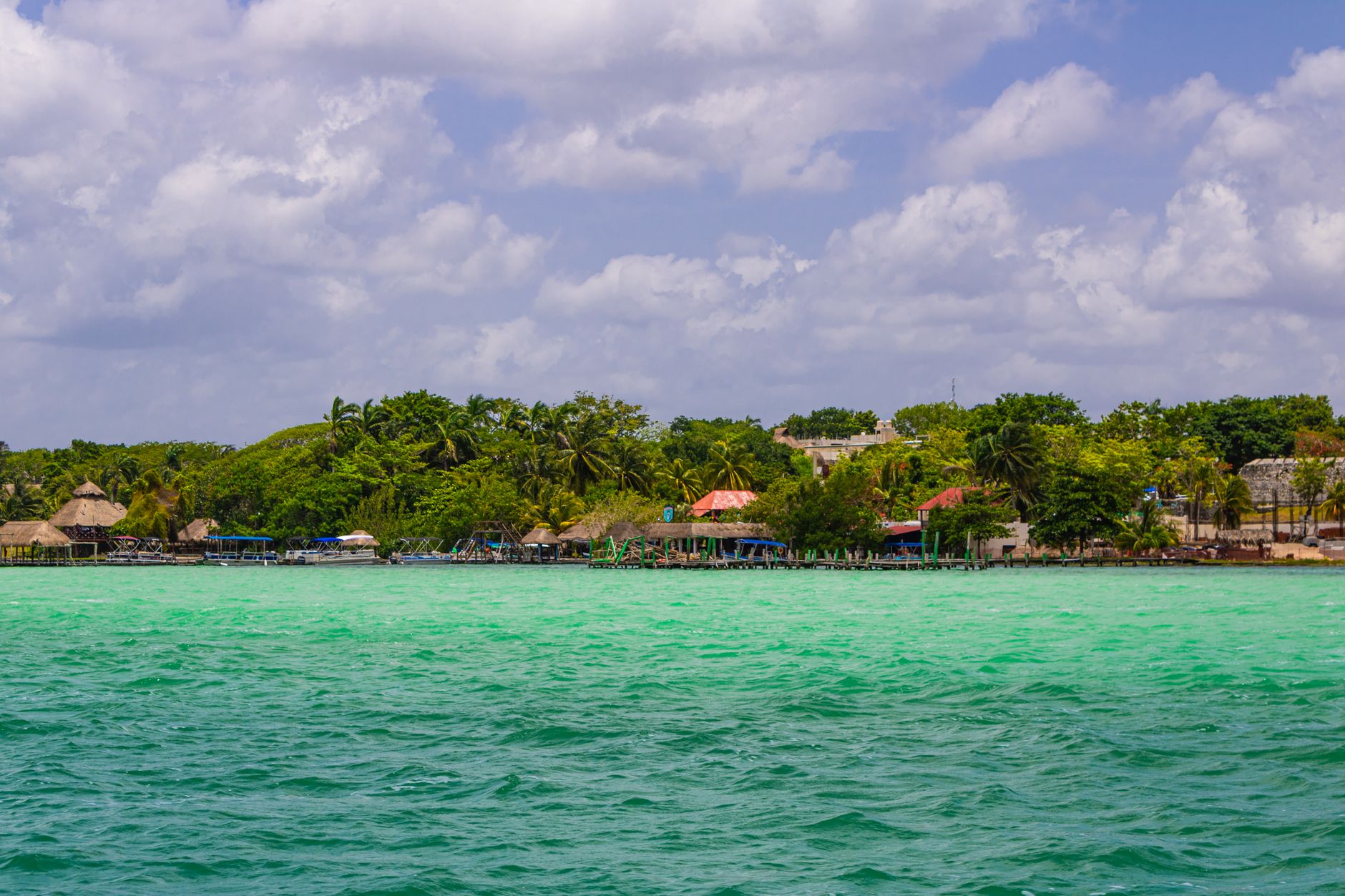
Bacalar is technically both a lake and a lagoon. It's a freshwater lagoon system that behaves like a lake due to its geological formation. Both terms are correct and commonly used interchangeably when referring to this stunning body of water in Quintana Roo, Mexico.
The Geological Truth About Bacalar
One of the most common questions visitors ask is whether Bacalar is a lake or a lagoon. The answer reveals fascinating insights into the unique geological formation that makes this natural wonder so special.
What Makes Bacalar a Lagoon?
Scientifically speaking, Bacalar is classified as a lagoon because of its formation and characteristics:
- Karstic Formation: Created by the dissolution of limestone bedrock over millions of years
- Cenote Connection: Fed by underground rivers and cenotes through the Yucatan Peninsula's aquifer system
- Elongated Shape: Stretches 42 kilometers (26 miles) in length, typical of lagoon formations
- Variable Depth: Ranges from shallow areas to depths exceeding 90 meters (295 feet)
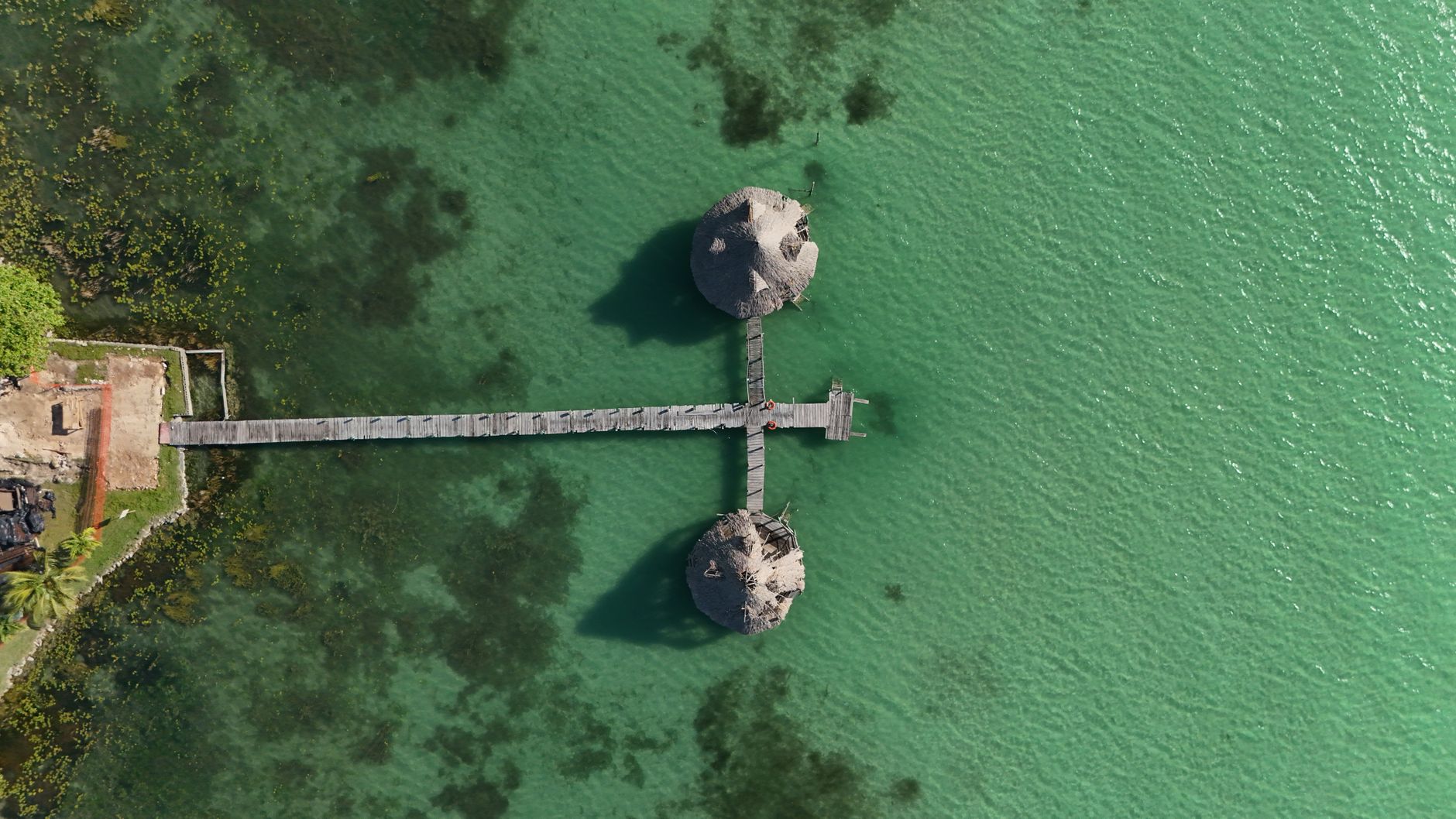
The famous "seven colors" of Bacalar Lagoon, created by varying depths and limestone formations
Why It's Also Called a Lake
Despite being technically a lagoon, Bacalar shares many characteristics with lakes:
- Freshwater System: Unlike coastal lagoons, Bacalar contains completely fresh water
- No Ocean Connection: Completely isolated from saltwater sources
- Lake-like Ecosystem: Supports freshwater flora and fauna typical of lake environments
- Calm Waters: Generally tranquil surface conditions similar to inland lakes
Fun Fact
The Maya called this body of water "Bakhalal," which means "place of reeds." The Spanish later adapted this to "Bacalar," and the naming confusion between lake and lagoon has persisted ever since!
The Seven Colors Phenomenon
The famous "Lagoon of Seven Colors" nickname comes from the stunning visual effect created by:
- Varying Depths: Different water depths create different shades of blue and turquoise
- Limestone Bottom: White limestone sand reflects light differently at various depths
- Mineral Content: Natural minerals in the water affect light refraction
- Sun Angle: Time of day and season influence the intensity of colors
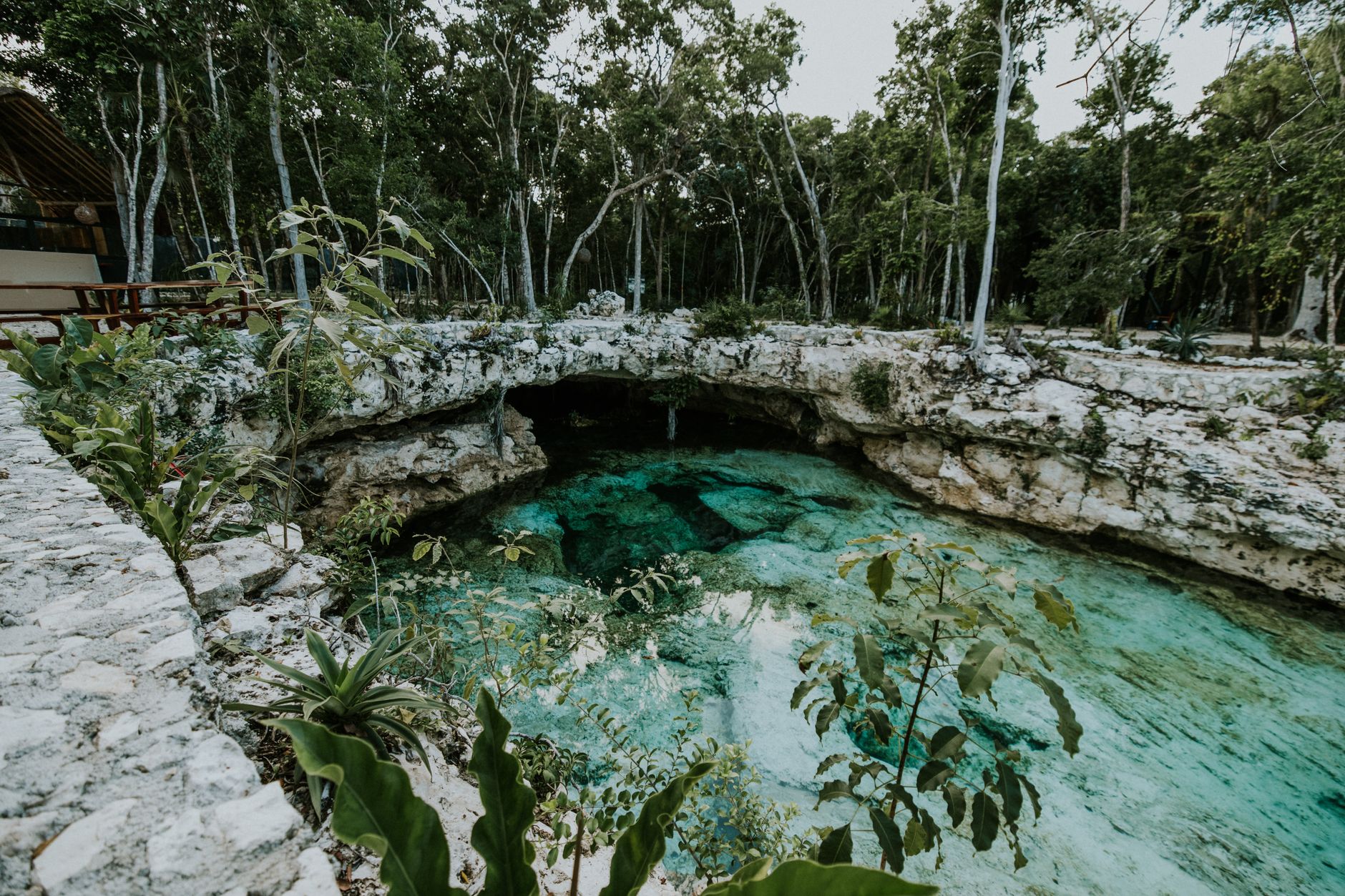
Cenote Azul, one of the deepest parts of the Bacalar system, shows the intense blue coloration
Scientific Classification
From a scientific standpoint, geologists and hydrologists classify Bacalar as:
Official Classification:
Karstic Freshwater Lagoon System
This classification acknowledges both its lagoon formation (karstic) and lake-like characteristics (freshwater system). It's part of a larger network of interconnected cenotes and underground rivers that span the Yucatan Peninsula.
What This Means for Visitors
Understanding Bacalar's dual nature helps explain why:
- The water is incredibly clear and drinkable (it's fresh, not salt water)
- You'll find both shallow swimming areas and deep diving spots
- The ecosystem supports unique freshwater species not found in typical coastal lagoons
- The water temperature remains relatively constant year-round
The Bottom Line
Whether you call it Bacalar Lake or Bacalar Lagoon, you're technically correct! This unique body of water represents one of nature's most beautiful examples of how geological processes can create something that defies simple classification. The important thing is experiencing its incredible beauty and understanding the natural forces that created this Mexican treasure.
Related Articles
Complete Guide to Bacalar Lagoon Mexico
Everything you need to know about visiting the Lagoon of Seven Colors
Best Photography Spots in Bacalar
Capture the perfect shot of Bacalar's stunning colors and landscapes