History of Bacalar: From Maya to Modern
Explore the rich history of Bacalar from ancient Maya settlements to modern tourism
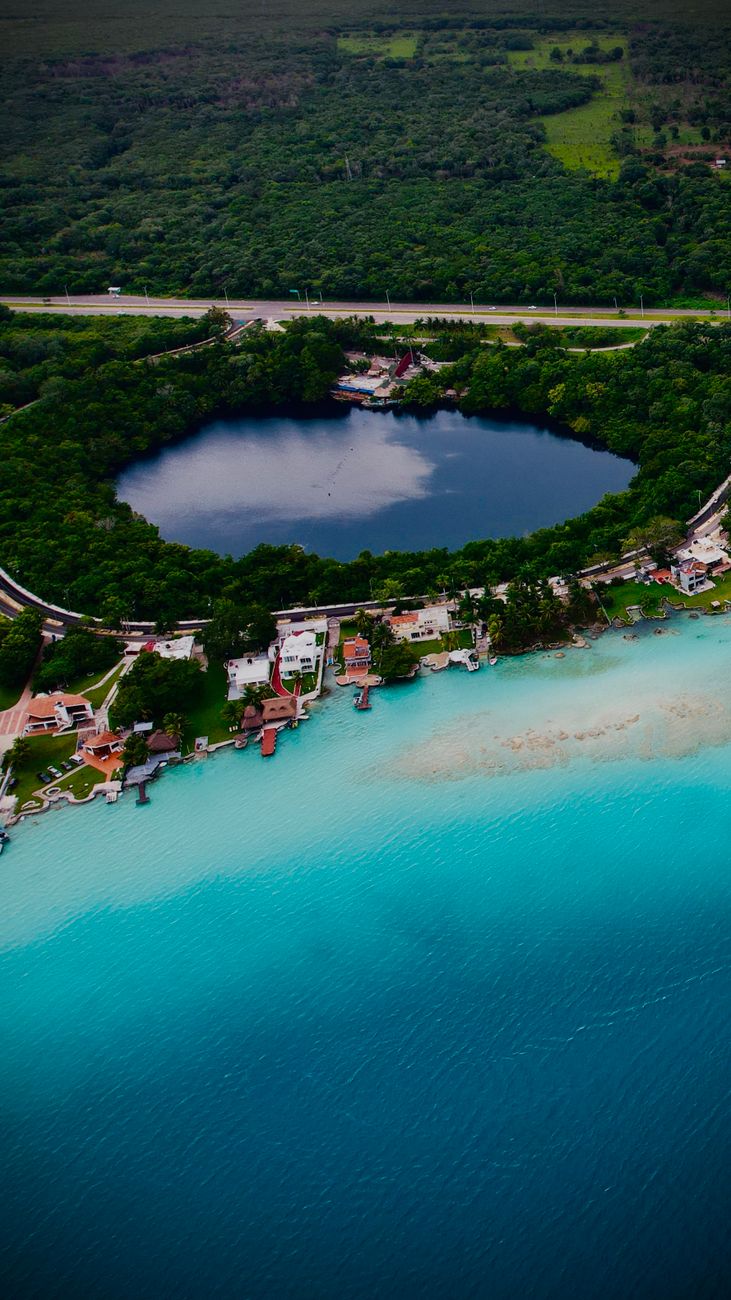
Bacalar's history spans over 4,000 years, from the earliest Maya settlements to its current status as an ecological paradise. This ancient lagoon has witnessed the rise and fall of civilizations, served as a strategic military outpost, and evolved into one of Mexico's most treasured natural destinations.
The name "Bacalar" comes from the Maya word "Bakhalal," meaning "place surrounded by reeds." This pristine lagoon has been a source of life, trade, conflict, and wonder throughout its remarkable history, each era leaving its mark on the landscape and culture we see today.
Ancient Maya Origins
The First Inhabitants
Archaeological evidence suggests that Maya peoples first settled around Bacalar lagoon as early as 2000 BCE, drawn by the abundant freshwater and strategic location connecting inland territories with coastal trade routes.
These early settlers developed sophisticated agricultural techniques, astronomical knowledge, and complex social structures that would influence the region for millennia.
Maya Contributions
- • Advanced agricultural terracing systems
- • Sophisticated water management
- • Astronomical observation centers
- • Complex trade networks
- • Unique architectural developments
- • Rich ceremonial traditions
Sacred Geography
The Maya considered cenotes and lagoons sacred portals to the underworld, making Bacalar a spiritually significant location in their cosmology.
Trade Networks
Bacalar served as a crucial link in Maya trade routes, connecting the Petén region with coastal markets and facilitating exchange of goods and ideas.
Cultural Center
The settlement became a regional cultural hub, with ceremonial complexes, ball courts, and residential areas supporting thousands of inhabitants.
Historical Timeline
Early Settlements
The first Maya settlements around Bacalar lagoon, attracted by freshwater and strategic location
Key Events:
- • First evidence of Maya presence around the lagoon
- • Development of early agricultural communities
- • Beginning of ceremonial site construction
Maya Civilization Peak
Bacalar becomes an important Maya center, part of the broader Petén-Yucatecan trade network
Key Events:
- • Construction of major ceremonial centers
- • Peak population and territorial expansion
- • Sophisticated astronomical observations
- • Extensive trade with other Maya cities
Trade Hub Development
Bacalar evolves into a crucial trading post, connecting inland Maya cities with coastal routes
Key Events:
- • Establishment as major trading center
- • Salt and cacao trade dominance
- • Cultural exchange with distant regions
- • Political alliance networks
Colonial Transformation
Spanish conquest brings dramatic changes, with the famous Fort San Felipe built for defense
Key Events:
- • 1544: Spanish conquest of the region
- • 1729: Construction of Fort San Felipe
- • Defensive position against pirates
- • Colonial administrative center
Early Mexican Period
Bacalar becomes part of independent Mexico, continuing its role as a frontier settlement
Key Events:
- • Mexican independence integration
- • Continued military importance
- • Economic development challenges
- • Population growth and modernization
Maya Rebellion
The Caste War of Yucatán dramatically impacts Bacalar, with fort serving as crucial stronghold
Key Events:
- • 1847: Caste War begins
- • Fort becomes military headquarters
- • Mass population displacement
- • Strategic military operations
Tourism Development
From military outpost to ecological paradise, Bacalar transforms into a world-renowned destination
Key Events:
- • 1960s: First tourism infrastructure
- • 1980s: Ecological awareness grows
- • 2000s: International recognition
- • 2010s: Sustainable tourism focus
Fort San Felipe: Colonial Defense
The Pirate Threat
During the 16th and 17th centuries, the Caribbean was plagued by pirates who regularly attacked Spanish settlements and trade routes. Bacalar's strategic location made it a target for these maritime raiders.
The most notorious attack came from pirates who completely destroyed the town in 1648, forcing Spanish authorities to take decisive action to protect this vital frontier settlement.
Fort Construction & Design
Architectural Features
- • Star-shaped (bastioned) design for maximum defense
- • Thick stone walls resistant to cannon fire
- • Strategic positioning overlooking the lagoon
- • Integrated barracks and ammunition storage
- • Sophisticated defensive engineering
Historical Impact
- • Successfully deterred pirate attacks
- • Secured Spanish trade routes
- • Enabled peaceful town development
- • Served as regional military headquarters
- • Symbol of Spanish colonial power
The Caste War of Yucatán (1847-1901)
Maya Rebellion
The Caste War of Yucatán was one of the most successful indigenous rebellions in the Americas. Maya peoples, frustrated by centuries of oppression, rose up against Mexican and European settlers, dramatically impacting Bacalar's development.
Causes
- • Land dispossession
- • Cultural suppression
- • Economic exploitation
- • Political marginalization
Bacalar's Role
- • Military stronghold
- • Refugee center
- • Strategic headquarters
- • Supply base
Consequences
- • Population displacement
- • Economic disruption
- • Cultural transformation
- • Modern borders established
Cultural Heritage Sites
Fort San Felipe
The star-shaped fortress built by Spanish colonists to defend against pirate attacks
Colonial defense and pirate protection
Museum and cultural center
Archaeological Sites
Various Maya ruins scattered around the lagoon, showing sophisticated urban planning
Ceremonial and residential complexes
Under study and protection
Historic Town Center
Well-preserved colonial buildings reflecting centuries of architectural evolution
Colonial architecture and urban development
Active town center
Modern Tourism Era
Ecological Recognition
In the late 20th century, scientists and conservationists began recognizing Bacalar's unique ecological value. The lagoon's pristine waters, ancient stromatolites, and diverse ecosystems attracted international attention.
Conservation Milestones:
- • 1990s: First ecological studies
- • 2000s: Protected area designation
- • 2010s: International recognition
- • Present: Sustainable tourism focus
Tourism Growth
The transformation from military outpost to tourist destination began in the 1960s, accelerating dramatically in the 21st century as social media showcased Bacalar's stunning natural beauty to the world.
Development Phases:
- • 1960s-80s: Basic tourism infrastructure
- • 1990s-2000s: Eco-tourism emergence
- • 2010s: Social media discovery
- • 2020s: Sustainable tourism focus